 Skip to content

Code Reader vs. Real Diagnostics — What a Proper Vehicle Inspection Should Include
Why guessing leads to wasted money—and how proper diagnostics prevent it
One of the most common situations we deal with is this:
A customer comes in after already replacing one or two parts based on a code—and the problem is still there.
This happens because a code is not a diagnosis. It’s just the starting point.
What a Code Reader Actually Tells You
A basic scan tool:
- Pulls a fault code
- Provides a general system reference
- Does not confirm what failed or why
For example: Code: Fuel system running lean
Possible causes:
- Air leak
- Faulty sensor
- Fuel delivery issue
- Intake problem
Replacing one part without testing the system often leads to the wrong repair.

What We See All the Time
These are real patterns we deal with regularly:
- Oxygen sensors replaced when the issue is actually a vacuum leak
- Spark plugs changed when the problem is fuel delivery
- Multiple parts replaced with no resolution
In most cases, the original issue was never properly diagnosed.
The Cost of Guessing
This is where things add up quickly. A typical scenario:
- Initial part replacement: $200–$400
- Problem still exists
- Additional parts replaced: another $300–$800
Now the total cost is significantly higher than if it had been diagnosed correctly from the start.
What Proper Diagnostics Actually Looks Like
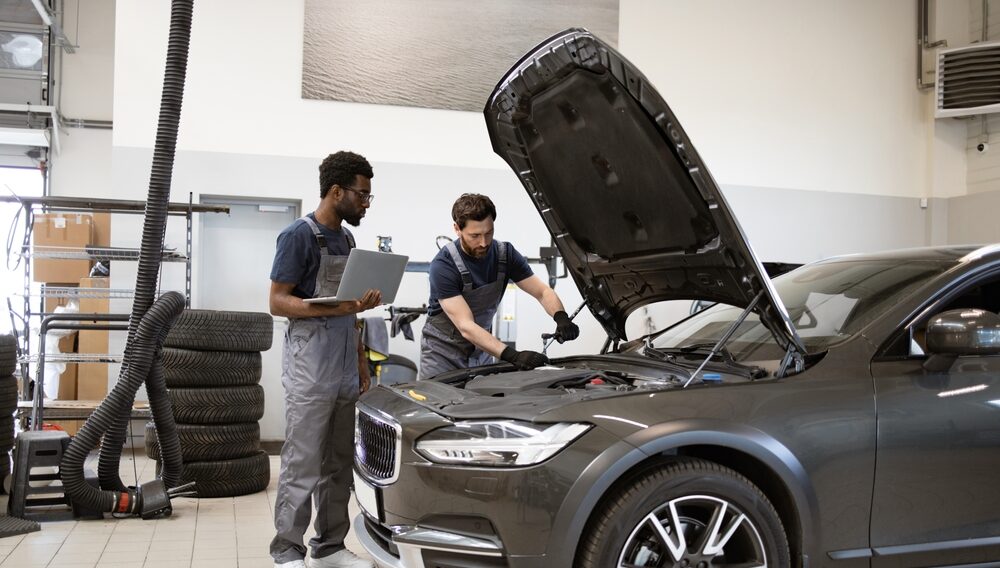
A real diagnostic process is structured and methodical. At our shop, it includes:
- Full System: evaluation Not just engine codes—all related systems
- Live Data: testing Monitoring performance under real conditions
- Physical Inspection: identifying wear, leaks, or damage
- Component Verification: testing parts before replacement
- Root Cause Identification: confirming the exact failure point
This is how we eliminate guesswork.
Fixing It Right the First Time Matters
Every incorrect repair adds cost, time, and frustration.
The alternative is simple: Identify the problem correctly once, fix it once, and move on.
Stop Replacing Parts—Start Solving the Problem
If your vehicle has a persistent issue or a check engine light: Continuing to guess will only increase your total cost. A proper diagnostic gives you:
- A clear answer
- A defined repair plan
- Confidence in the outcome
The sooner the issue is diagnosed, the less you spend fixing it.
FAQs
Why isn’t a code enough to diagnose the problem?
Because it only indicates a system imbalance, not the cause.
Can replacing the wrong part make things worse?
Yes, it can delay the real repair and sometimes create additional issues.
Is diagnostics more expensive than guessing?
No. It prevents multiple unnecessary repairs.
How long does proper diagnostics take?
Usually one to two hours depending on complexity.
What makes your approach different?
We verify every failure before replacing anything.
