

Exhaust & Muffler
Repair in Victoria, BC
Loud noises, exhaust smell in the cabin, rusted pipes, or a check engine light? EDP Automotive diagnoses and repairs exhaust leaks, muffler damage, and catalytic converter issues at 400 Burnside Rd E. Honest answers before any wrench turns.

Your Exhaust System Does More Than You Think
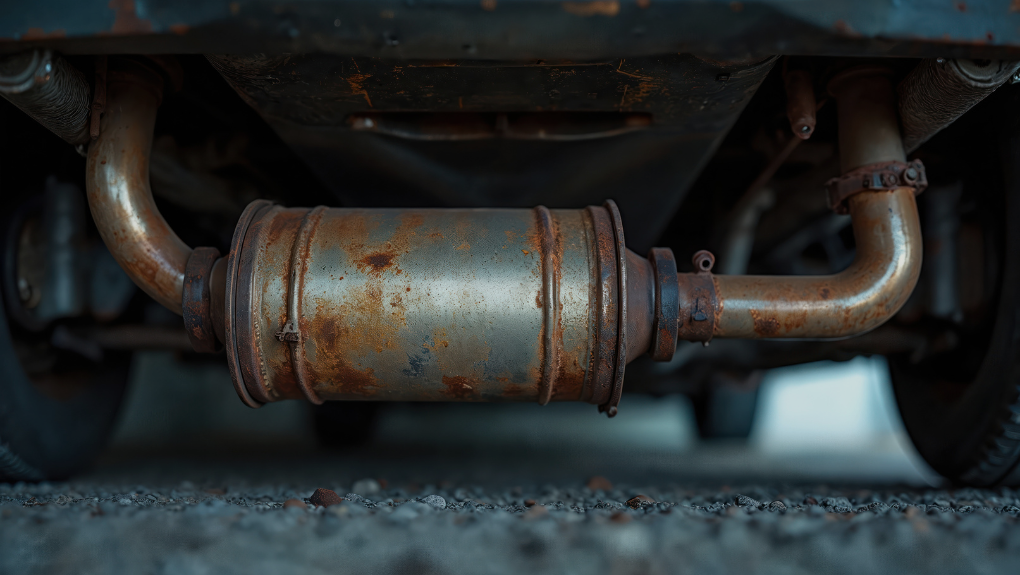
The exhaust system isn’t just about keeping your vehicle quiet. It routes toxic exhaust gases — including carbon monoxide — safely out from under the cabin, manages engine backpressure for proper performance, and houses the catalytic converter that controls emissions. When any part of this system leaks, rusts through, or fails, it affects your safety, your fuel economy, and your engine’s ability to run cleanly. At EDP, we diagnose the actual problem before recommending a repair or replacement.
Signs You Need Exhaust Repair
Six of the most common exhaust-related complaints Victoria drivers bring to us. If any of these sound familiar, it’s time for an inspection.
When We Repair vs. When We Replace
Not every exhaust issue needs a full replacement. It depends on where the damage is, how far it’s spread, and whether a targeted fix will last. Here’s how we decide.
When We Repair
Localized damage is the key. If the issue is a small pinhole leak, a broken hanger, a cracked gasket, or a single failed pipe section, we can weld, clamp, or replace just that section without touching the rest of the system. Targeted repairs save you from replacing parts that still have years of life left.
When We Replace
Widespread corrosion, large holes, or internal structural failure mean a repair won’t hold. If the muffler’s internal baffles have collapsed, if the pipe is rusted through in multiple spots, or if road salt has eaten the system end to end, replacement with a quality direct-fit or fabricated section is the right call.
A Note on Catalytic Converters
Catalytic converters can’t be repaired once the internal honeycomb structure is melted, clogged, or depleted — the entire unit has to be replaced. But not every check engine light that points to the converter is actually a converter problem. An exhaust leak upstream, a failing O2 sensor, or a misfire dumping unburned fuel into the exhaust can all trigger the same codes. We diagnose the root cause first so you don’t replace a converter that wasn’t the problem.
Is It Exhaust or Engine?
An exhaust leak before the catalytic converter lets outside oxygen into the exhaust stream. Your vehicle’s O2 sensors misread this as a lean engine condition, and the computer compensates by dumping excess fuel. The result: worse fuel economy, rough idling, and a check engine light that points to the engine — when the real problem is in the exhaust.
Our engine diagnostic process always considers the exhaust system as a potential root cause. Same shop, same technicians, same digital inspection report.
Explore Engine Diagnostics →Exhaust Repair Across Greater Victoria
Our shop at 400 Burnside Rd E is centrally located to serve drivers from across Greater Victoria and the surrounding communities.
Frequently Asked Questions
Honest answers to the questions Victoria drivers ask us most often about exhaust and muffler repair.
Can I drive with a broken exhaust?
What does an exhaust leak sound like?
Is an exhaust leak dangerous?
Can exhaust tape fix a leak permanently?
Can a catalytic converter be repaired instead of replaced?
Why does my car smell like rotten eggs?
Will you give me an estimate before any work?
What Victoria Drivers Are Saying
Six decades of honest auto repair, and the reviews to back it up.
400 Burnside Rd E
Victoria, BC V9A 1A8, Canada
Phone: +1 (250) 312-7643
Hours: Monday – Friday, 8:00 AM – 5:00 PM
Entrance off Dupplin Rd, behind the commercial center near Mayfair Mall and Uptown Shopping Center. We’re around the back.
Schedule Your Exhaust Inspection
Exhaust problems affect your safety, your fuel economy, and your engine. Don’t wait for a small leak to become a major repair. EDP Automotive is here to help.